United Nations
New York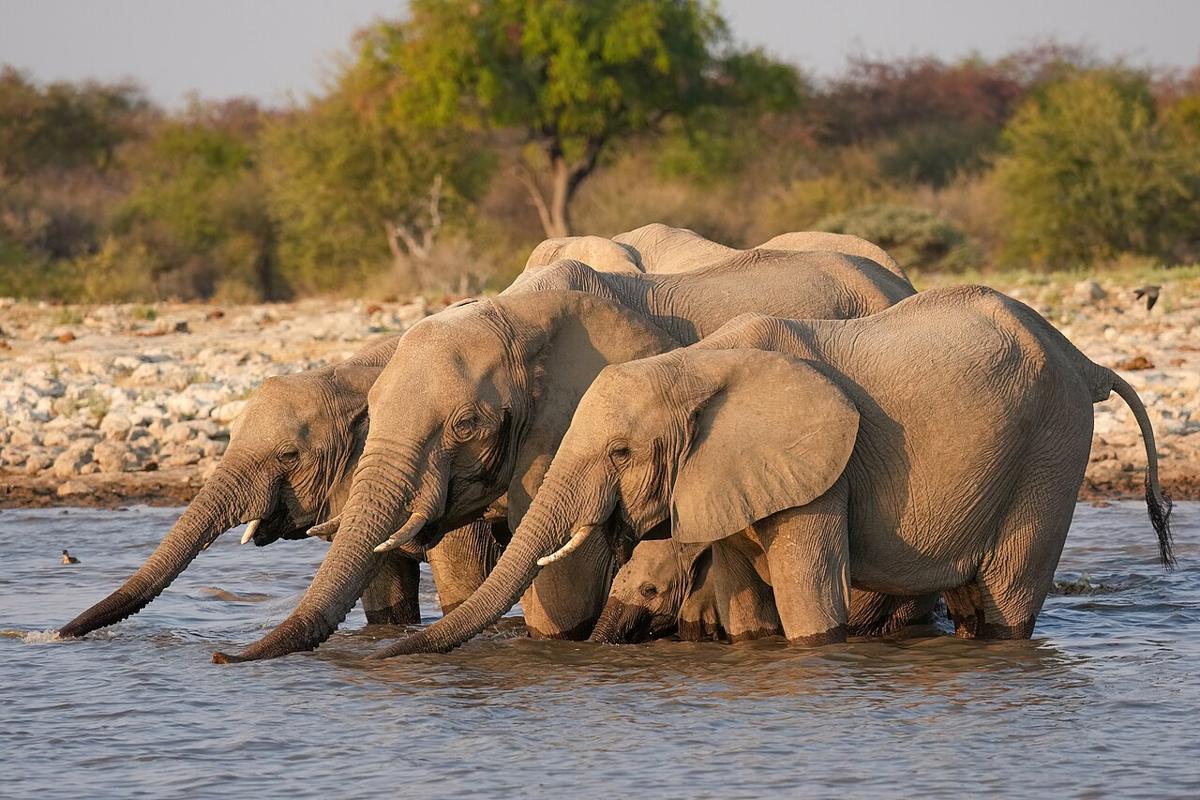
The Secretary-General, United Nations
An urgent representation after Namibia announced a cull of 723 wild animals, including 83 elephants, and Zimbabwe announced plans to cull 200 elephants. We submitted that mass culling in response to environmental stress is a dangerous pattern that harms ecosystems and global biodiversity, and that butchering wild animals for meat raises the risk of zoonotic disease.
What we asked
- Intervene and issue an urgent advisory against animal culling.
- Work with the affected countries on sustainable, scientific solutions: rotational grazing, native planting and supplementary feeding; fencing, early warning systems, relocation and community education; habitat protection and anti-poaching measures.
- Advise member countries to provide food, financial aid and resources to the affected nations so that culling is avoided.
Government of India and Parliament
New Delhi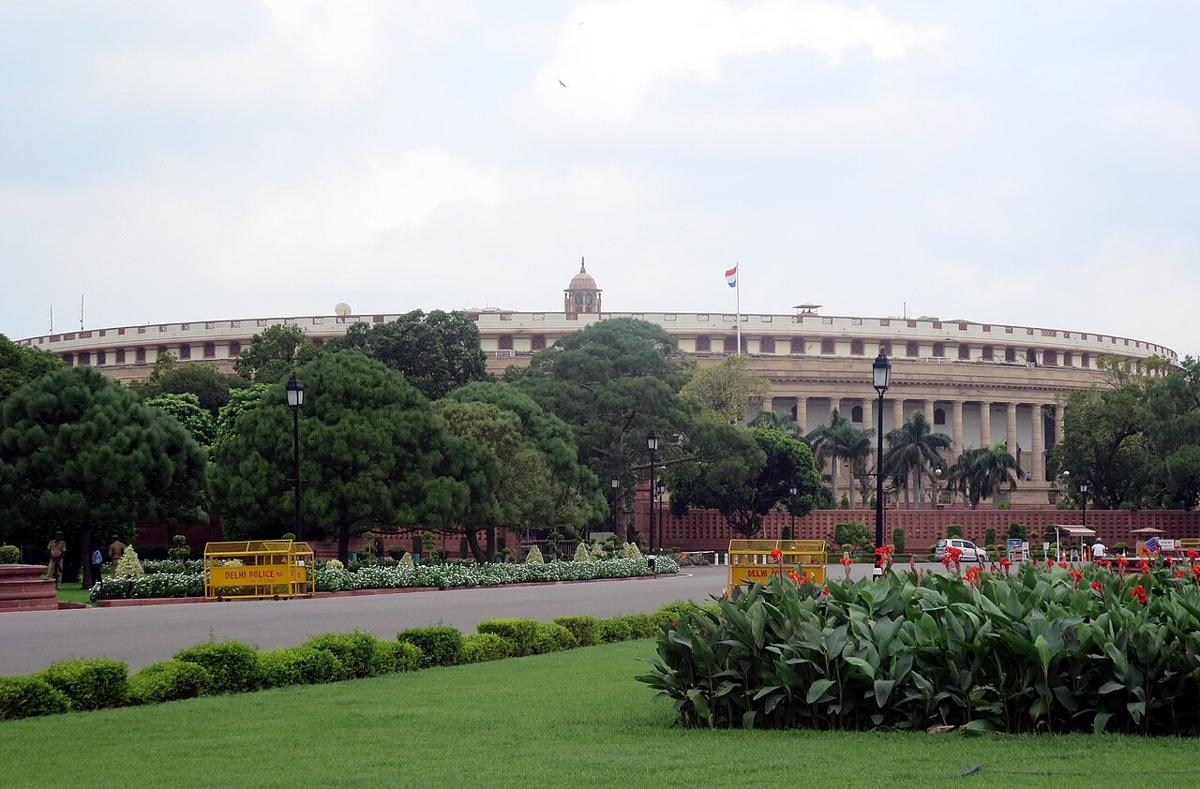
The Prime Minister of India: Livestock and Livestock Products Bill, 2023
Comments on the draft Bill circulated on 7 June 2023, placed before the Prime Minister, the Union Minister of Animal Husbandry, and the Secretary and Joint Secretary of the Ministry. We objected that the Bill treats living animals as a "commodity" for export, that the States were not consulted, that ten days for public comment was too short, and that Section 5 carries no penalty for illegal export.
What we asked
- Immediate withdrawal of the Bill.
- Thirty more days for public comment, and publication of the draft in the main regional languages.
Relied upon: Prevention of Cruelty to Animals Act, 1960; Transport of Animals Rules, 1978; Central Motor Vehicles Rules, Rule 125E; Bureau of Indian Standards IS 14904:2007; the Terrestrial Animal Health Code of the World Organisation for Animal Health, chapters 5 and 7; IATA Live Animals Regulations.
Members of Parliament, Lok Sabha and Rajya Sabha: Jeevan Dhan Raksha Abhiyaan
A memorandum of nine national demands for animal welfare, placed before Members of both Houses for parliamentary questions, Zero Hour mentions and Bills. It opens with the words of the Hon'ble President of India at the Indian Veterinary Research Institute, Bareilly on 30 June 2025, that animals are our "Jeevan Dhan". Each demand is set out with its legal basis and a specific prayer.
Relied upon: Articles 48, 48A and 51A(g) of the Constitution of India; Animal Welfare Board of India v. A. Nagaraja, (2014) 7 SCC 547; Prevention of Cruelty to Animals Act, 1960.
- National Animal Health, Shelter and Human-Animal Conflict Resolution Mission. 24×7 animal ambulances (1962), modern veterinary referral hospitals, government shelters and a National Animal Welfare Fund under a centrally sponsored scheme.
- Amendment of the Prevention of Cruelty to Animals Act, 1960. Replace the ₹10 to ₹50 penalty with strict, graded, cognizable punishment; give legal recognition to the Five Freedoms; table the Draft Amendment Bill, 2022.
- National ban on glue traps. A complete ban on manufacture, sale (including e-commerce) and use, giving central legal force to the AWBI advisories of 2011 and 2020.
- Complete prohibition of bird trade. Elimination of illegal bird markets and deletion of "pet birds" from the Pet Shop Rules, 2018, in line with the Gujarat High Court (2011) and Delhi High Court (2015) rulings on the right of birds to fly.
- Ban on sacrifice and open slaughter outside licensed slaughterhouses. Nationwide extension of the position in Subhas Bhattacharjee (Tripura High Court, 2019).
- Ban on night transport of animals. To curb animal smuggling, with immediate confiscation of vehicles and stringent penalties.
- Ban on live animal export. A complete ban on the export of live animals.
- Compassion education. Mandatory, graded education in jeev daya and coexistence in NCERT and State board curricula under the National Education Policy, 2020.
- Grazing lands, shelters and central assistance. Restoration of encroached gochar land, transparent per-animal central grants for gaushalas and shelters, and a statutory bar on land-use change.
Union Ministry of Fisheries, Animal Husbandry and Dairying, and the Animal Welfare Board of India: Indian Marine Fisheries Bill, 2021
Objections placed before the Union Minister, both Ministers of State, the Secretary (Animal Husbandry and Dairying), and the Chairman and Secretary of the Animal Welfare Board of India. The Bill defines "recreational fishing" as fishing for sports or pleasure, and Section 18(1) allows special licences for it. We submitted that a fish is an animal under the law, and that hooking, spearing and netting it for sport is unnecessary pain and suffering.
What we asked
- Drop Section 18(1) from the draft Bill.
Relied upon: Prevention of Cruelty to Animals Act, 1960, Sections 2(a) and 11; the constitutional mandate of compassion towards all living beings; Animal Welfare Board of India v. A. Nagaraja (the Jallikattu judgment), which recognised the five freedoms of animals; standards of the World Organisation for Animal Health.
Union Ministry of Consumer Affairs, Food and Public Distribution, and the Central Consumer Protection Authority: glue traps
A detailed representation with annexures placed before six authorities: the Union Minister, the Minister of State, the Secretary of the Department of Consumer Affairs, and the Chief Commissioner, Commissioner and Secretary of the CCPA. Glue traps are sold openly on e-commerce marketplaces and in shops; they kill rats slowly and also trap birds, lizards, snakes and other non-target creatures.
What we asked
- An advisory to all e-commerce platforms to remove existing glue trap listings and block future sale and advertisement.
- Inclusion of glue traps in the prohibited products list, as an unfair trade practice.
- An all-India prohibition on manufacture, import, stocking, sale, distribution, advertisement and use.
- Regular inspection and seizure in offline markets by State and district consumer authorities.
Relied upon: Consumer Protection Act, 2019; Prevention of Cruelty to Animals Act, 1960, Section 11; Animal Welfare Board of India circulars dated 04.08.2011 and 16.11.2020; orders of the Gujarat High Court dated 31.07.2026 and 07.08.2026 in Writ Petition (PIL) No. 28 of 2024.
Members of Parliament: OTT and social media content
A representation with annexures asking Members of Parliament to raise, in Zero Hour and by letter to the Minister, the effect of unregulated OTT and social media content on the Indian family system and on children.
What we asked
- A binding Programme Code for OTT and social media, as cable television already has, with intermediaries losing safe harbour protection if they do not comply.
- A "Digital Council of Bharat" for real-time monitoring of OTT and social media content.
- Amendments to the Bharatiya Nyaya Sanhita to deal with such content.
Relied upon: The Programme Code under the Cable Television Networks Rules; the Information Technology Rules for intermediaries.
The Prime Minister, the Union Home Minister and Union Ministers: Bharatiya Nyaya Sanhita, 2023
Representations for the protection of the institution of marriage and the family system, first sent to Members of Parliament in March 2025 and then placed before the Prime Minister, the Union Home Minister and Union Ministers. They submit that the Bharatiya Nyaya Sanhita, as a new statute, allows Parliament to legislate afresh on matters decided under the old Indian Penal Code.
What we asked
- Adultery to be made an offence in a gender-neutral form.
- Consensual same-sex relationships to be made an offence.
Relied upon: The legal position after Joseph Shine v. Union of India and Navtej Singh Johar v. Union of India, as set out in the representations; reports of the Parliamentary Committee on the Bharatiya Nyaya Sanhita, 2023.
Government of Gujarat
GandhinagarThe Chief Minister of Gujarat and seven other offices: a vaping-free Gujarat
Electronic cigarettes have been prohibited across India since 2019, yet flavoured vapes still reach children of thirteen and fourteen. The representation was placed before the Chief Minister, the Deputy Chief Minister and Home Minister, the Health Minister, the Minister of State for Health, the Education Minister, the Chief Secretary, the Director General of Police and the Commissioner, Food and Drugs Control Administration, with a compendium of the original Acts, Rules, circular and white paper.
What we asked
- Declare "Vaping-Free Gujarat" a time-bound State mission, making Gujarat the first vaping-free State in the country.
- Direct the Chief Secretary to constitute a State-level task force.
- Act through the existing National Tobacco Control Programme machinery and a notification: no new law and no new budget are needed.
Relied upon: Prohibition of Electronic Cigarettes Act, 2019.
Ministers, Government of Gujarat: glue traps
A representation to the Minister for Co-operation and Consumer Affairs, Government of Gujarat, on the large-scale sale of glue traps on e-commerce platforms. Rats, squirrels and small birds caught in them die slowly of hunger, thirst and injury.
What we asked
- Declare glue traps a prohibited item in Gujarat, online and in shops.
- Order e-commerce companies to remove them from their websites at once.
Relied upon: Consumer Protection Act and the e-commerce rules made under it.
Ahmedabad
PaldiCandle march for the safety of daughters
Permission sought from the Police Inspector, Paldi Police Station for a peaceful candle march on Raksha Bandhan, 19 August 2024, from Badshah Dairy near Mahalaxmi Panch Rasta to Dharnidhar Char Rasta. The march was to condemn atrocities against daughters across the country, in particular the incident at the Kolkata medical college, and to demand strict punishment for offenders.
Join the work